
By: Helen
This is a guest post from Inanna’s partner, the EmpowerHer Initiative. Through EmpowerHer, Inanna is platforming the voices of women and girls in Afghanistan. Learn more about EmpowerHer here.
Home is a simple word with a broad meaning, yet its definition varies from person to person. For me, the shelter I grew up in was never the home I deserved as a human being.
In Afghanistan, many families struggle with the consequences of inadequate family planning, poverty, and harmful cultural beliefs. I was born into a large family without clear family planning, clear goals, or reliable relationships. As a child, I often felt lost and confused. I witnessed more than I should have and carried burdens heavier than I could bear, yet my existence was often taken for granted.
In simpler terms, little Helen—the cute girl with black eyes, curly hair, a clever mind, and creative thoughts—had only one toy. It was stolen and never found, just as her childhood was taken away when she had to grow up too soon.
Many families with numerous children may have experienced something similar. When a family is large, there may not be enough of everything: love, attention, and consistent guidance in raising children. I experienced more bullying than kindness, was ignored more often than heard, and was punished for unclear reasons more often than I was rewarded.
As a child, I learned to grow up too soon. As a teenager, I felt the deep pain of humiliation and the contempt others showed toward my appearance, my existence, and my differences. As a young girl, I was accused of being immoral simply for talking to a male classmate or friend, as though I had violated the restrictive expectations society placed on girls.
For thousands of nights, I was left alone with the enormous monster of insecurity. The feeling of worthlessness deepened the bitterness of my life. I can never forget how people related to me by blood felt entitled to bully me simply because they were older than me or were male guardians.
What made this even more painful was that the male guardians in my life, including my brothers and father, were rarely there to stand up for me. Instead, they scolded me harshly and reacted severely whenever I made even a simple mistake. They were rarely there to listen, understand, or support me. My brothers often bullied and abused me while continuing to emphasize their roles as my guardians and protectors.
I remained silent for years because I felt I had little choice but to survive and protect myself. I was treated this way simply because I was a girl, not a boy.
One of the most unjust experiences was being slapped in the face and having my nose broken, yet being forced to hide what had happened. I feared that if I revealed the truth, even worse consequences would follow.
There was never a safe shelter where I could rest or a guardian with whom I could feel secure. The most painful part was that, for the sake of our family’s reputation, we were never allowed to speak about injustice or cruelty. We could not reveal the discrimination we experienced as girls or describe the struggles we faced simply to leave the house, work, communicate with others, or make our own choices.
After graduating from university, I decided to build my own network and make my own choices. I refused to marry the person my family had chosen for me, and I refused to ask them for financial support.
I faced these battles alone, with a deep sense of insecurity weighing on me. I was threatened with death because of my ambition, but I kept fighting. I had difficult negotiations with my family members: my brothers, who were filled with anger; my mother, whose heart was filled with dissatisfaction; and my father, who seemed never to care about anyone’s existence, let alone the person I was trying to become.
Finally, after years of struggle, I convinced them to allow me to apply for a scholarship and, one day, leave the country on my own.
For some people, particularly those from families with fewer restrictions, it may take only one night to explain their wishes, negotiate, and reach a decision. But for me, and for many Afghan girls, it can take years: nights of uncertainty, days of disappointment, long periods of stress, anxiety, and depression, and countless tears before a dream can become a reality.
The possibility of doing something beyond cultural norms frightens everyone involved: both the family and the girl who wants to take the chance. Yet the braver the girl is, the greater her chance of succeeding.
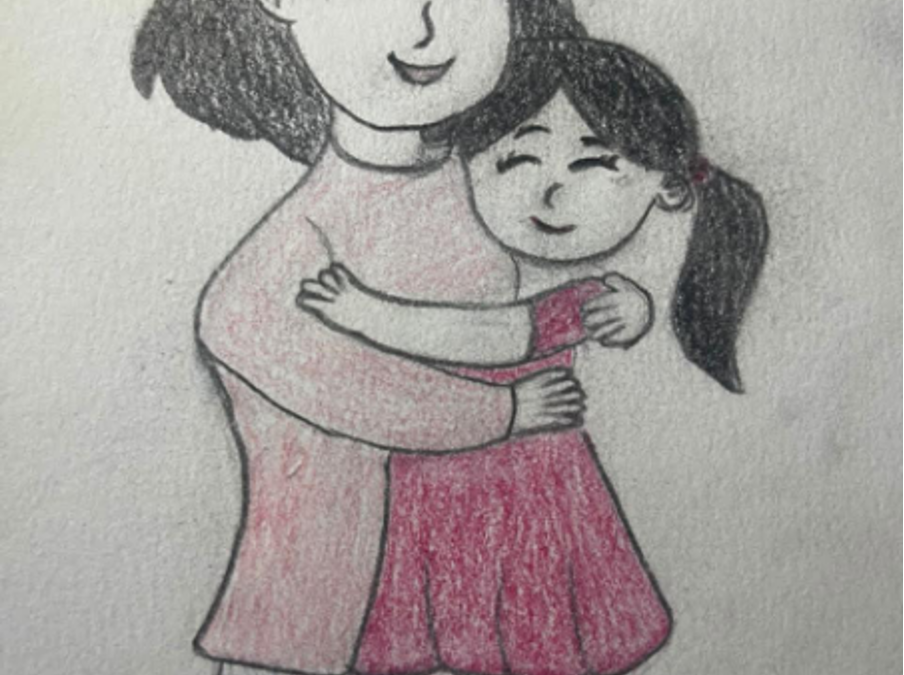
I am sharing my reflections not only on the hardships I experienced in becoming the person I am today, but also on how I carried the “Little Helen” within me home.
Where is home to me now? How have I won those battles? Where am I today?
I began breaking the chains that had confined me to a role in which my brothers called me a “good sister,” and my mother expressed satisfaction in calling me a “good daughter.” I began recognizing the bitter truth: for years, I had been left behind, ignored, slapped, and punished simply for being myself.
Instead of holding a grudge against my family, I tried to break the chains within myself. Each step toward maturity, thoughtfulness, and self-love helped me loosen them. Over time, I found that my mind was becoming free of racism, a prejudice we had been taught to carry. My heart was broken, but it was becoming free of judgment toward those who were different from me.
There was a time when I was not allowed to save a male’s phone number in my phone because my brothers regularly checked it and monitored my activities. Today, I have many students, both male and female, as well as team members, mentors, teachers, and friends. The journey between those two realities has been difficult and marked by countless traumatic experiences.
But now, I am the one who makes decisions. I am the one who chooses to share kindness and thoughtfulness. I am the one who has broken the toxic cycle of bullying and transformed my experiences into a source of support for others—for my little sister, my mother, and all the girls trying to grasp a rope and save their futures.
I am not the only hero. This country has placed girls on harsh paths, revealing how many heroes can emerge. I believe there are thousands of heroes who have endured hardships as severe as mine, perhaps even worse, yet remain resilient enough not to give up.
My final words, from Helen to Little Helen:
Little Helen,
You deserved a real home, but I cannot change the past. After a long journey of growing and learning, it has taken me years to reach you. You have been alone, but you have also been resilient.
It is time to go home. The journey may be long, but this time, it is a journey toward the home you deserve. Remember that the home you deserve can be built. We can build it.
I am here for you, like a mother who loves you completely. Please stay with me.
If every Afghan girl could reconnect with her inner child and become the loving, mature mother that child needed, this gradual change could transform Afghan society. When girls learn to love themselves, they can begin to break harmful cycles and develop healthier ways of raising their children, with love, strength, and compassion.
Author’s Biography: Helen is an Afghan public health researcher, educator, and youth advocate with a background in public health research, academic writing, and English education. She has contributed to multi-institutional health research involving data collection, statistical analysis, and manuscript preparation, and has authored and co-authored peer-reviewed research. She is also the founder of Helen English Academy, where she works to create learning opportunities for students through education and mentorship.
Through her work and personal journey, Helen is passionate about education, women’s empowerment, independence, and creating opportunities for young people to build their own futures. She believes that when one person finds the courage to break a cycle, that courage can become a path for others.